red light therapy for skin: what the science actually shows
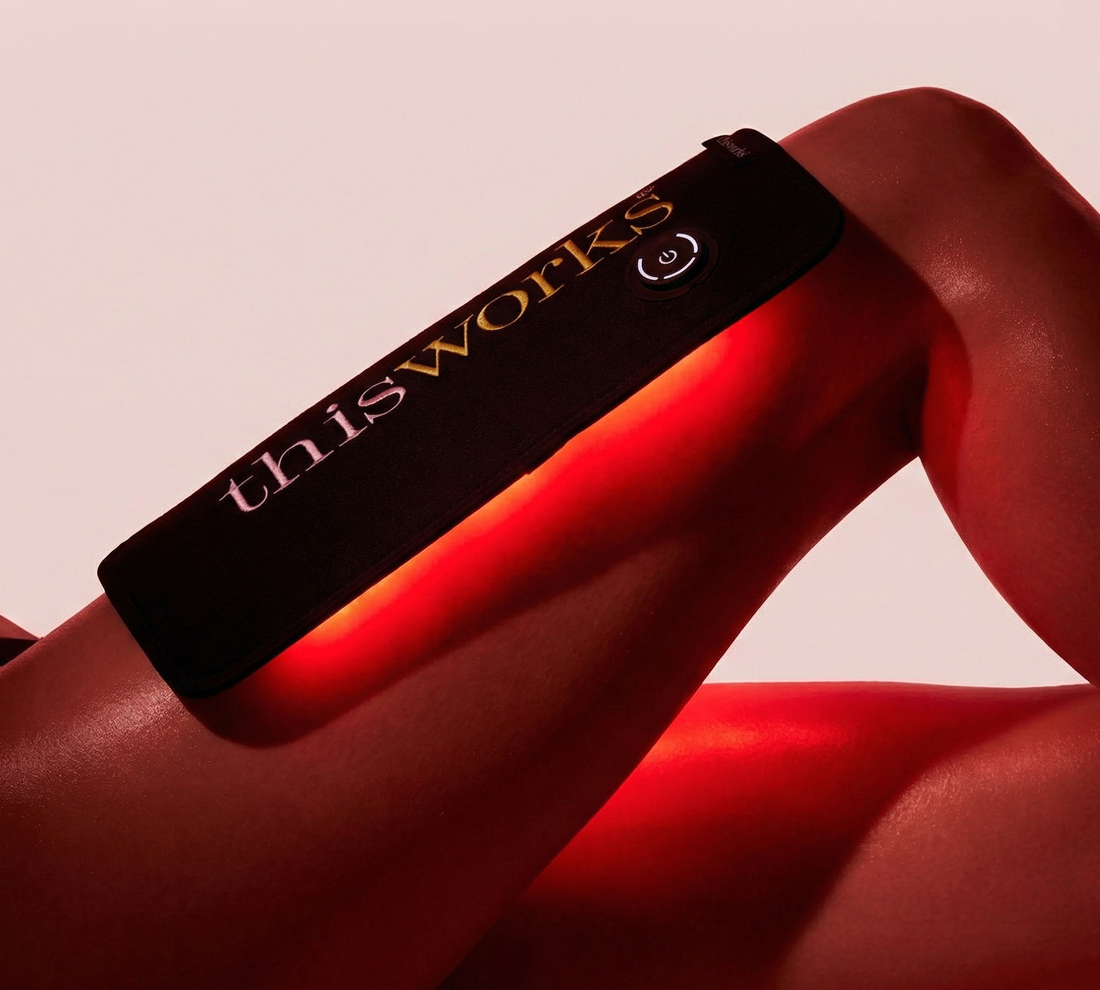
Discover what the latest research says about red light therapy for skin. From collagen support and smoother-looking skin to inflammation and recovery, here's what the evidence tells us about the benefits of at home red light therapy, how a red light therapy device works, and what results you can realistically expect.

introduction
Red light therapy has moved from dermatology clinics into bathrooms, bedrooms and daily skincare routines. It is often described as a collagen-boosting or anti-ageing treatment, but the more useful question is not whether red light therapy is popular. It is whether the science shows a measurable benefit for skin.
The answer is cautiously positive. Red and near-infrared light therapy, also known in scientific literature as low-level light therapy or photobiomodulation (the process of using light to stimulate the body's natural cellular repair processes), has been studied for skin rejuvenation, wound healing, inflammation and tissue repair. The best available evidence suggests it may improve visible signs of skin ageing, including fine lines, wrinkles, roughness and loss of firmness, particularly when used consistently over several weeks.
It is not a facelift, laser resurfacing treatment or injectable procedure. It is a gradual, non-invasive light therapy for skin that appears to work by influencing cell behaviour rather than by deliberately damaging the skin.
what is red light therapy?
Red light therapy uses specific wavelengths of visible red light, commonly around 600 to 700nm, and sometimes near-infrared light, commonly around 800 to 900nm. These wavelengths are used because they can pass into the skin more effectively than many other visible wavelengths and because cells contain molecules that may respond to light.
Unlike UV light, red light therapy is not designed to tan, burn or injure the skin. Unlike ablative lasers or strong resurfacing treatments, it does not remove the outer layer of the skin. Whether used in clinic or with an at home red light therapy device, the goal is lower-energy stimulation: enough light exposure to encourage biological signalling, but not enough to create heat damage or downtime.
what does the clinical evidence show?
One of the most frequently cited controlled clinical trials examined red and near-infrared light treatment for skin rejuvenation. The study reported improvements in skin feeling, complexion, roughness, collagen density and visible fine lines and wrinkles compared with controls. Importantly, the treatment was described as non-thermal, non-ablative and atraumatic, meaning it did not work by burning or wounding the skin.
This matters because many proven aesthetic treatments rely on controlled injury. Chemical peels, microneedling and lasers often stimulate repair because the skin has been challenged. Red light therapy sits in a different category. It aims to support repair signalling without visible downtime.
Broader dermatology reviews reach a similar conclusion: there is a reasonable body of clinical trial evidence supporting low-energy red and near-infrared light for skin rejuvenation, acne and certain other dermatological indications. However, the research is not perfect. Studies vary in wavelength, red light therapy device power, treatment distance, session length, treatment frequency and outcome measures. Some trials are small. Some are industry funded. This means the science is promising, but not final.
A fair scientific summary would be this: red light therapy can support modest improvements in skin quality, texture and visible ageing when used correctly and consistently. It should not be presented as a cure-all or as a replacement for SPF, prescription dermatology, retinoids, injectables or professional procedures where those are clinically indicated.
what are the red light therapy benefits for skin?
The strongest cosmetic claims are around skin ageing and general skin quality. Research and dermatology literature most commonly discuss:
red light therapy face: fine lines and wrinkles
Red light therapy for the face may support collagen-related pathways, helping skin appear smoother over time. Results are typically gradual rather than instant.
skin texture and roughness
Some clinical research reports improvements in surface texture and subjective skin feel.
firmness and elasticity
Collagen and extracellular matrix support may contribute to a firmer-looking complexion, although results depend on age, skin condition, device quality and consistency.
redness and inflammation
Photobiomodulation is often discussed for its anti-inflammatory potential. This is one reason LED therapy is used in some clinics after aesthetic procedures.
supporting skin recovery
Professional settings often use LED light after peels, lasers or microneedling to support comfort and recovery, although treatment protocols vary.
The evidence is less clear for dramatic pigmentation improvement, deep wrinkles, severe acne, melasma or advanced skin laxity. Red light therapy may be a useful supporting treatment, but expectations should remain realistic.
how long does at home red light therapy take to work?
Skin biology is slow. Collagen turnover, epidermal renewal and visible changes in tone and texture usually take weeks, not days. Many protocols in clinical and professional settings use repeated sessions over several weeks. For at home red light therapy, consistency is often more important than intensity. A short session may be enough if the device is well designed and used according to instructions, but one session is unlikely to transform the skin.
Think of red light therapy like exercise for the skin's cellular environment. One workout does not change muscle tone, repeated sessions create the conditions for adaptation. The same principle applies here. Results come from accumulated exposure at an appropriate dose.
is a red light therapy device safe?
For most healthy adults, cosmetic red light therapy is considered low risk when used as directed. It is non-invasive, usually painless and does not involve UV radiation. That said, low risk does not mean risk free.
Potential issues include eye discomfort if protection is not used, irritation from overuse, warmth or sensitivity in reactive skin, and inappropriate use by people with photosensitive conditions or those taking photosensitising medications. People with active skin cancer, suspicious lesions, epilepsy triggered by light, eye disease or complex medical conditions should seek medical advice before use.
The most common problem in beauty marketing is not danger, it is exaggeration. Red light therapy should be framed as a supportive skin technology with emerging but credible evidence, not as a miracle treatment.
the scientific bottom line
Red light therapy for skin is not hype-free, but it is not pseudoscience. The biological mechanism is plausible, clinical studies show measurable benefits, and dermatology reviews support cautious use for skin rejuvenation. The strongest evidence points to gradual improvements in skin texture, fine lines, collagen support and inflammation-related recovery.
The key word is gradual. Red light therapy is best understood as a consistency-based skin treatment. It works with the skin's natural repair systems rather than forcing rapid change. For people looking for a non-invasive, no-downtime way to support skin quality, it can be a scientifically credible addition to a routine.
 red lightbest red light therapy devices: what to look for before you buyRed light therapy has become one of the most talked-about beauty technologies in recent years. But with so many devices available, how do you know which one is right for you? Discover the science behind red light therapy, the benefits...read post
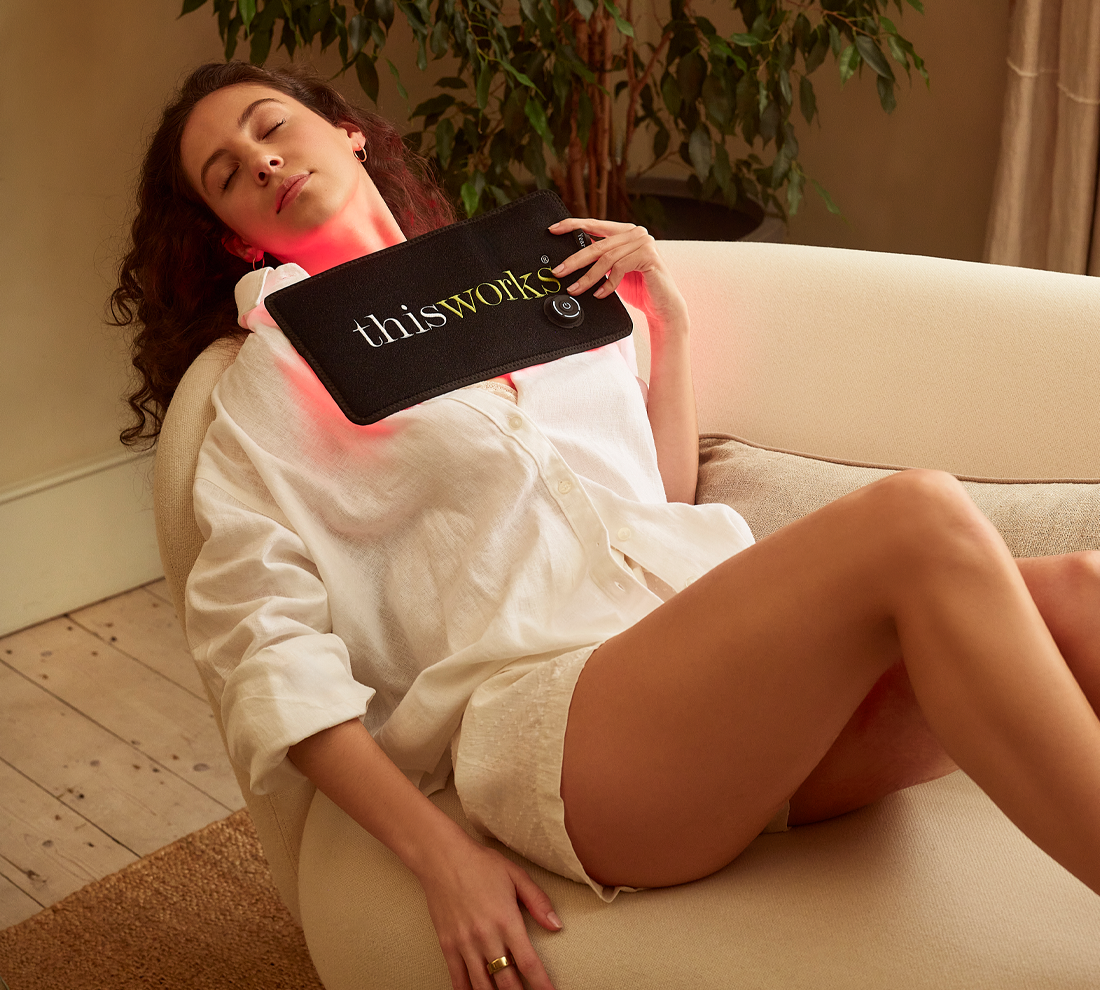 red lightat-home vs professional red light treatments: which is better for consistent skin results?Wondering whether to invest in an at-home red light therapy device or book professional treatments? Here's how they compare in terms of results, consistency, cost and convenience.read post
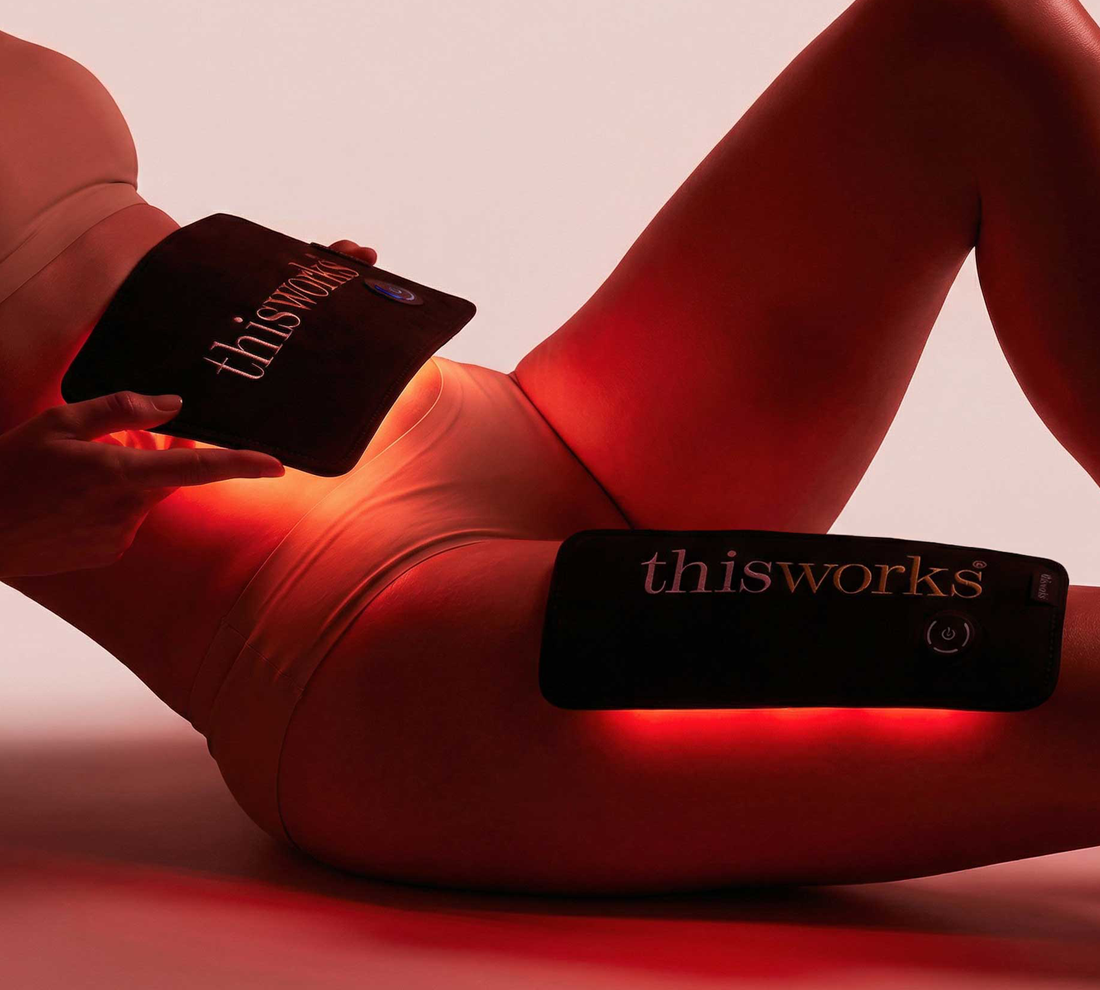 red lighthow red light therapy works: photobiomodulation, ATP and mitochondria explained simplyDiscover the science behind red light therapy and how light interacts with your skin's cells. From photobiomodulation to ATP production, here's what happens beneath the surface and why consistency matters.read post
 red lightred light therapy for skin: what the science actually showsDiscover what the latest research says about red light therapy for skin. From collagen support and smoother-looking skin to inflammation and recovery, here's what the evidence tells us about the benefits of at home red light therapy, how a red light therapy device works, and...read post
 expertsthe upper body edit: stress, tension and ageingFrom jaw tension and headaches to poor posture, hair loss and visible signs of ageing, chronic stress affects far more than how we feel. Dr Lana Gault explores how modern lifestyles are reshaping the upper body, why nervous system regulation...read post
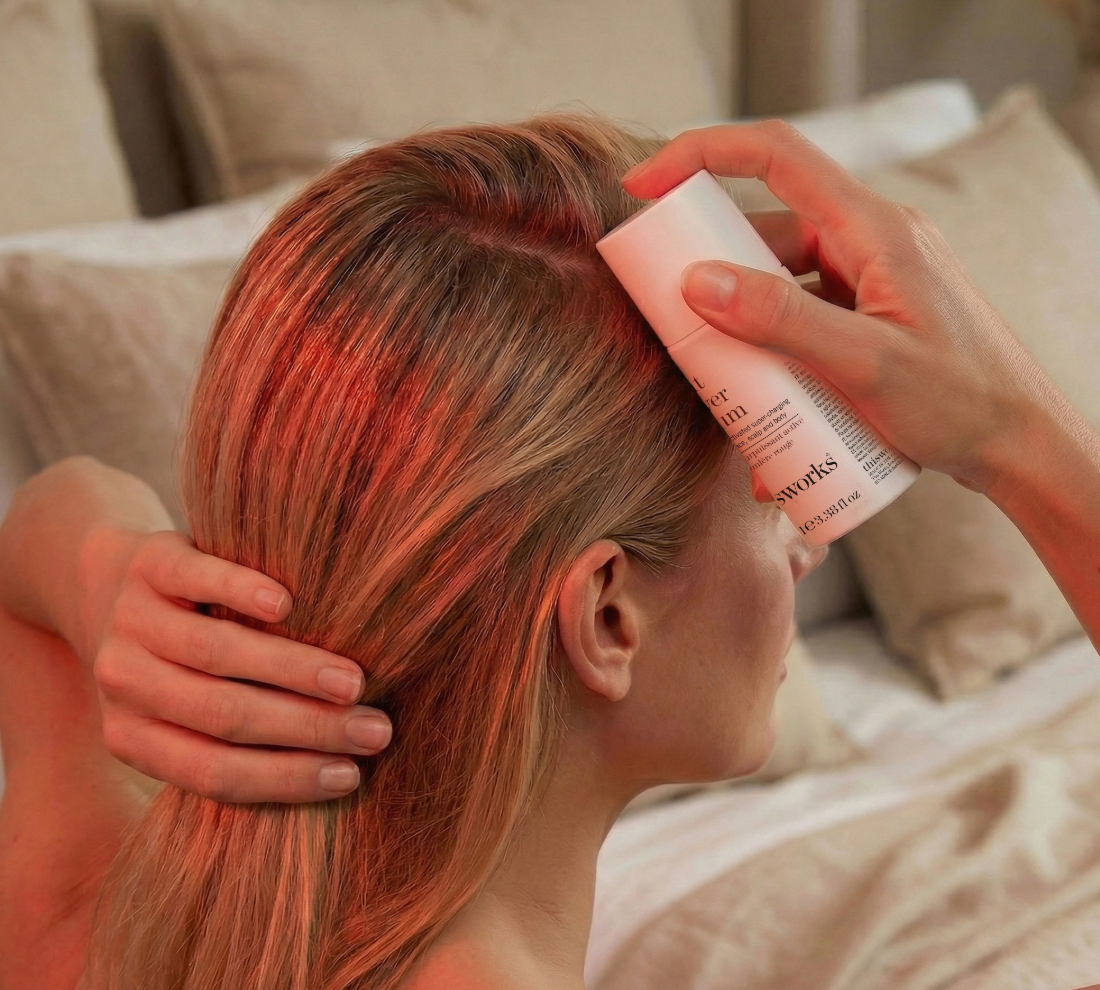 red lightred light body wrap and red light power serum featured in British VogueBritish Vogue has spotlighted the red light body wrap and red light power serum, highlighting the pairing as a results-driven system designed to maximise the benefits of red light therapy.read post
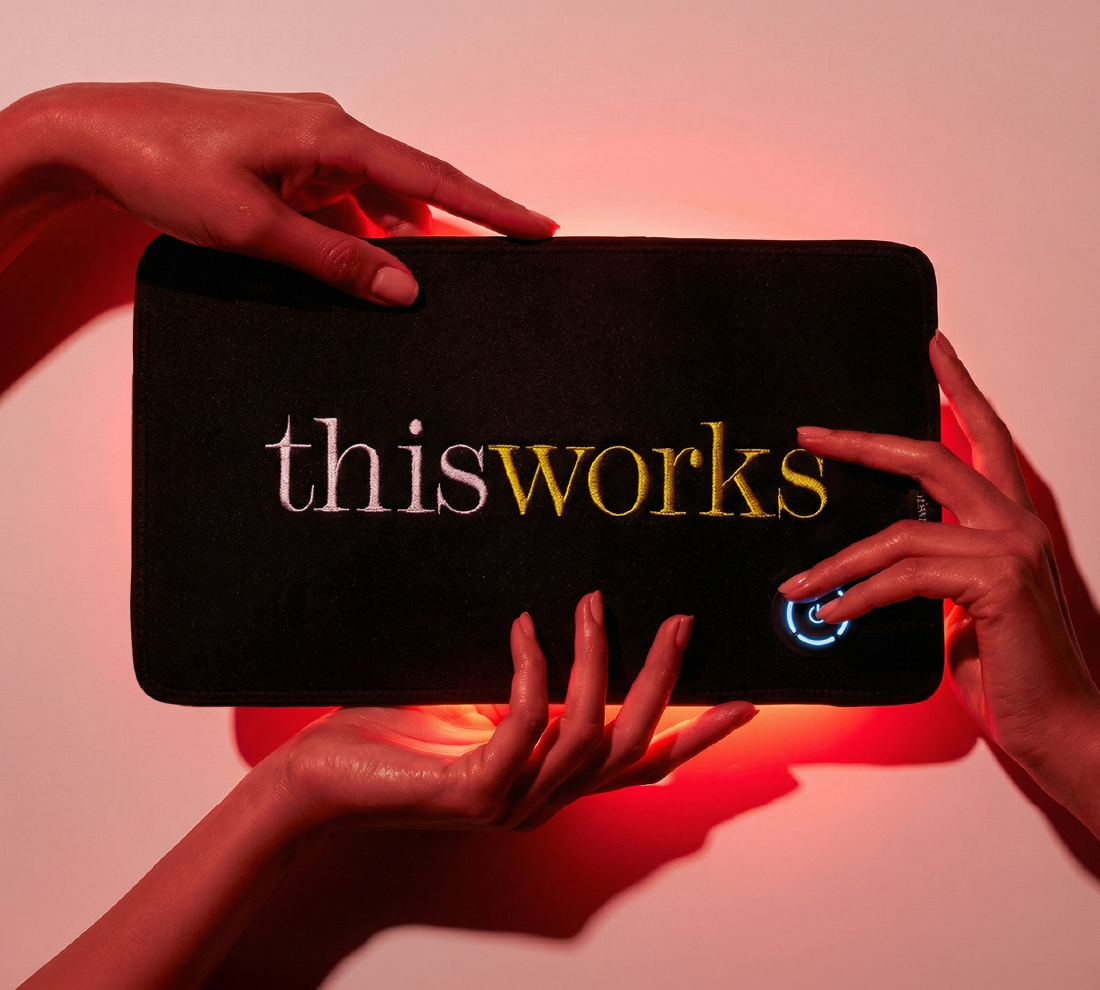 bodycare concernsred light body wrap duo featured in Woman&HomeThe red light body wrap duo has been spotlighted by Woman&Home, highlighting the growing demand for at-home red light therapy and full-body LED skincare solutions.read post
 red lightred light and circadian skin science: a research review by our expert Professor Gaby BadreNeuroscientist Professor Gaby Badre explores the science behind red light therapy, from cellular repair to circadian rhythms, and what recent studies reveal about timing, efficacy, and skin health.read post
