the upper body edit: stress, tension and ageing
From jaw tension and headaches to poor posture, hair loss and visible signs of ageing, chronic stress affects far more than how we feel. Dr Lana Gault explores how modern lifestyles are reshaping the upper body, why nervous system regulation is becoming central to healthy ageing, and what we can do to support recovery from the inside out.

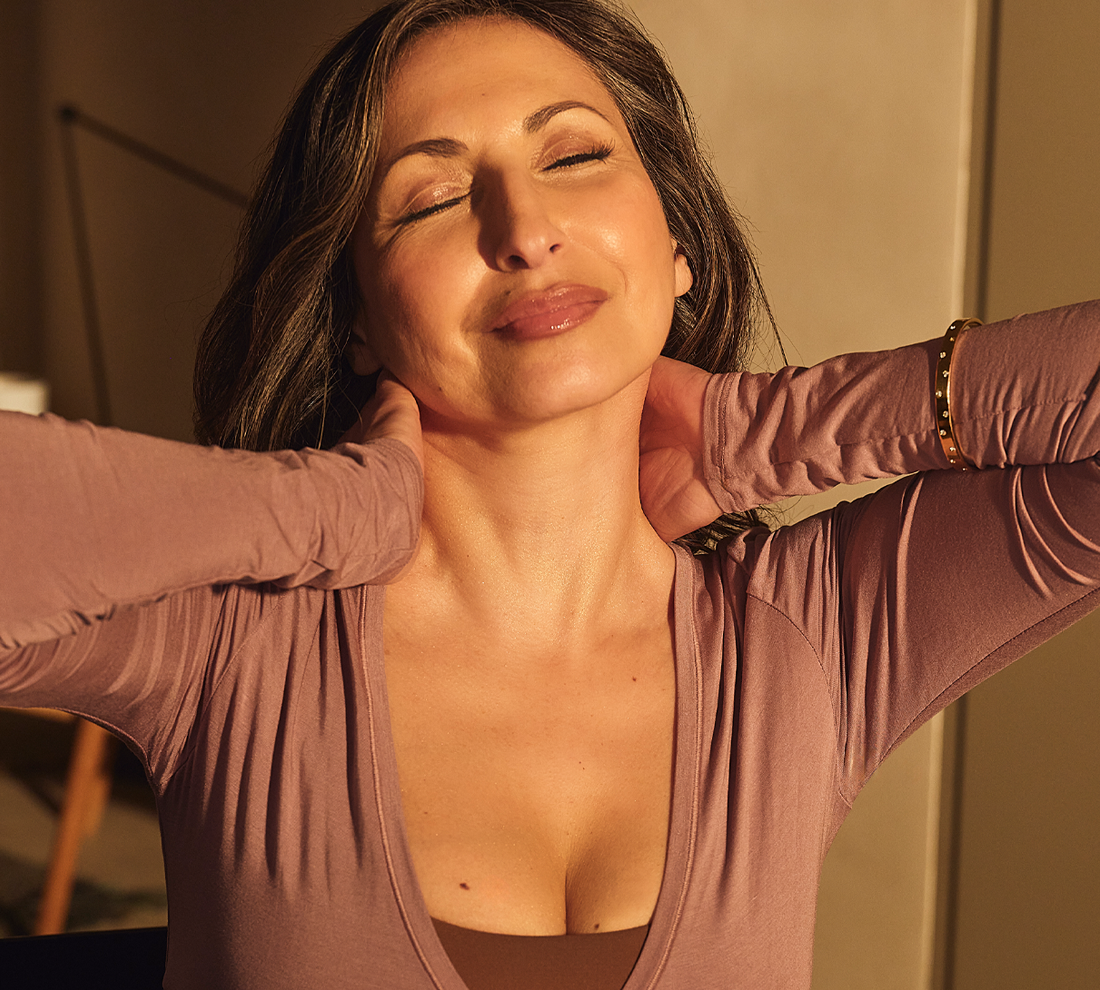
Modern life is reshaping the upper body in ways many people do not fully realise. Rounded shoulders, jaw tension, neck tightness and chronic upper back pain are no longer simply posture problems - they are increasingly viewed as physical manifestations of stress, nervous system overload and the constant “fight or flight” state many people now live in daily.
Chronic stress initially impacts the body internally before signs begin to appear externally. What starts as nervous system dysregulation can gradually influence muscular tension, breathing patterns, posture, skin quality and visible signs of ageing.
the tension and the tug: how stress shows up physically
When we are stressed, muscle tension naturally increases as part of the body’s survival response. Muscles surrounding the shoulders, jaw and neck tighten in preparation for perceived threat, while breathing becomes faster and more shallow.
In the short term this can be protective, helping the body react quickly. However, when stress becomes chronic these muscles may remain partially contracted for prolonged periods of time.
Muscles such as the upper trapezius and neck extensors are particularly vulnerable. Persistent contraction can contribute to headaches, stiffness, muscular pain and reduced mobility. Many people unknowingly reinforce these patterns through prolonged sitting, laptop use and excessive screen exposure.
Rounded shoulders, forward head posture and bent neck positioning place additional strain on the upper body, pulling muscles into unnatural positions and increasing tension throughout the neck, chest and upper back.
The jaw is also highly susceptible to stress-related tension. Bruxism, or teeth grinding, commonly occurs during periods of anxiety or heightened stress. The chewing muscles within the cheeks and temples can become overactive, contributing to jaw pain, headaches and facial tightness.
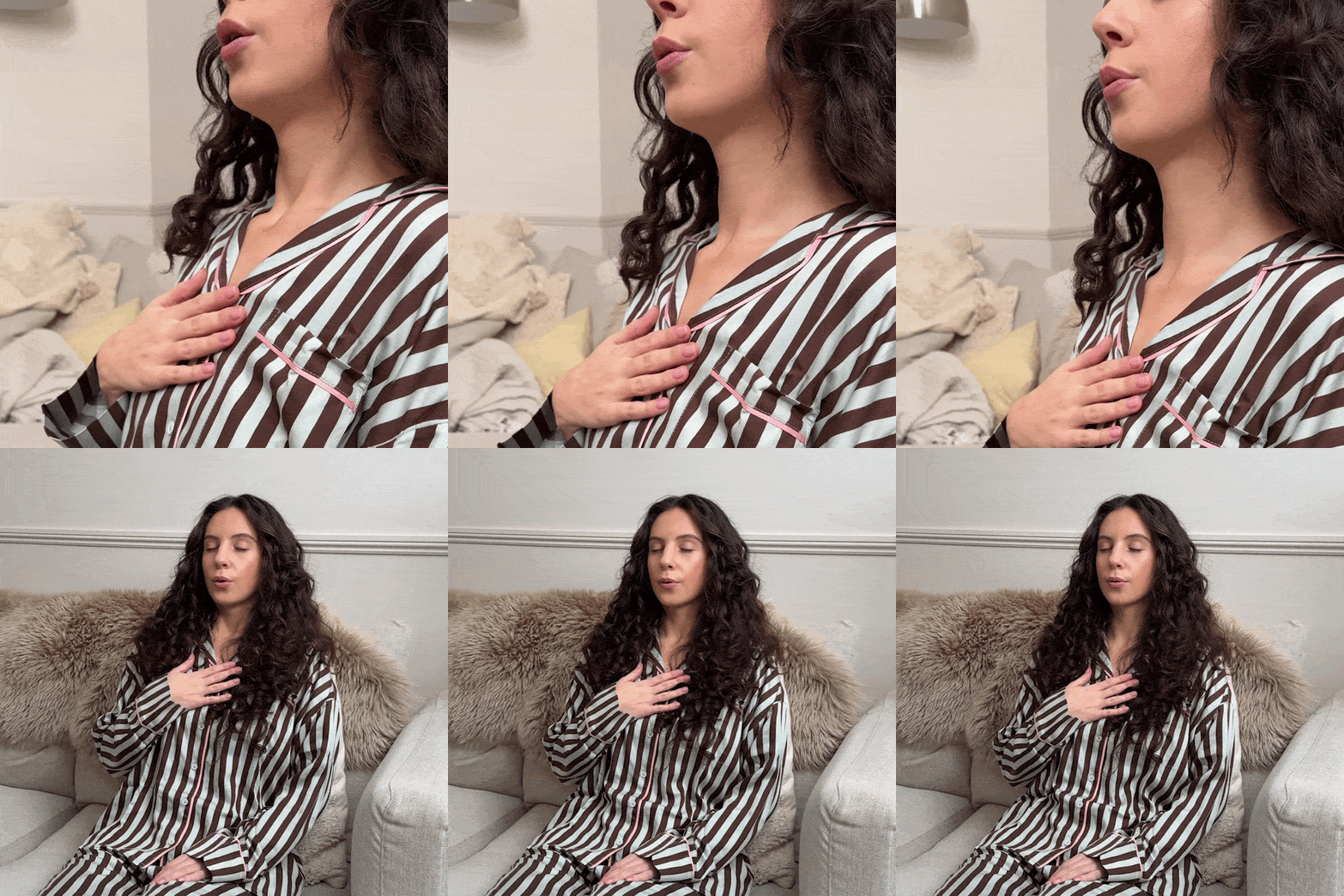
Breathing mechanics are similarly affected. Healthy breathing patterns rely on diaphragmatic expansion and coordinated movement of the rib cage. Under stress, however, breathing often becomes shallow and rapid. This may lead to over-recruitment of accessory muscles within the neck and upper chest, adding further tension throughout the cervical spine and shoulders.
the mask of stress
Stress does not simply affect how we feel - it can also influence how we look.
While ageing is multifactorial, increasing evidence suggests that chronic muscular tension, posture and nervous system dysregulation all contribute to visible signs associated with fatigue and accelerated ageing.
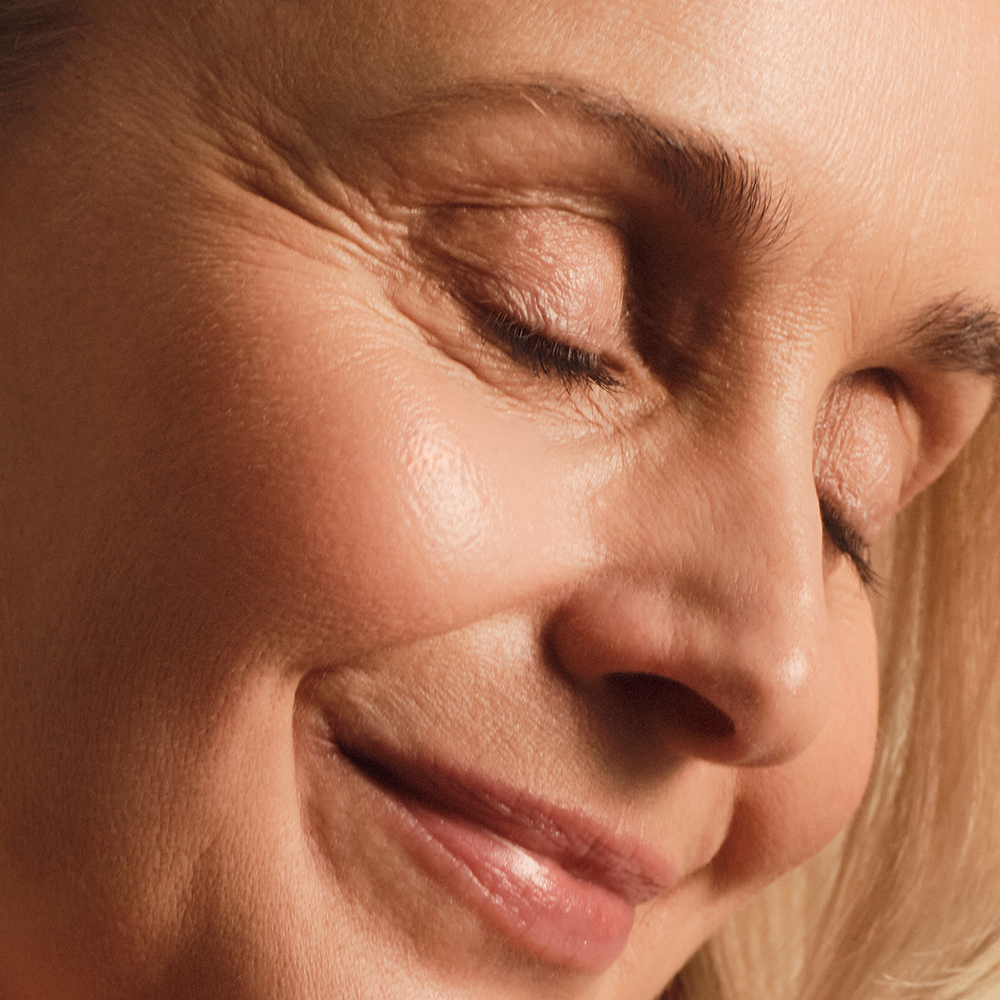
Persistent tension within the jaw, forehead and neck may deepen repetitive expression patterns over time. Jaw clenching can enlarge the masseter muscles, creating a heavier or wider lower-face appearance, while tension around the forehead and eyes may exaggerate dynamic wrinkles.
Tight platysma muscles within the neck may also contribute to visible neck bands and increased tension through the lower face.
Posture also plays an important role. Forward head posture and rounded shoulders alter the structural support of the neck and jawline, potentially contributing to reduced definition, skin folding and an overall appearance of heaviness or fatigue.
Constant downward head positioning associated with screen use may additionally accelerate creasing and laxity within the neck area.
the breath, the face and the nervous system
Breathing patterns may also influence facial appearance and tissue health.
Shallow breathing can increase muscular tightness throughout the upper chest and neck while potentially reducing oxygen delivery and circulation to tissues. Reduced parasympathetic “rest and repair” activity may impair circulation, lymphatic drainage and tissue recovery, all of which influence skin vitality and facial appearance.
The lymphatic system plays a vital role in clearing excess fluid, inflammatory waste products and toxins from tissues. Unlike the cardiovascular system, it relies heavily on breathing mechanics, movement and muscular contraction to function efficiently.
Chronic tension and poor breathing patterns may therefore contribute to puffiness, swelling and a tired-looking appearance, particularly around the face and eyes.
Nasal strips have also gained attention within wellness and aesthetic conversations. There is moderate evidence suggesting they improve nasal airflow by mechanically widening the nasal passages and reducing resistance within the nasal valve area.
Although they do not permanently alter facial structure, they may indirectly influence sleep quality, breathing efficiency and upper facial strain.
Increasingly, practitioners are recognising that youthful appearance is influenced by far more than skincare or injectables alone. Nervous system regulation, posture, sleep quality and breathing mechanics all appear to contribute to tissue recovery, skin health and overall facial vitality.
to grey or not to grey
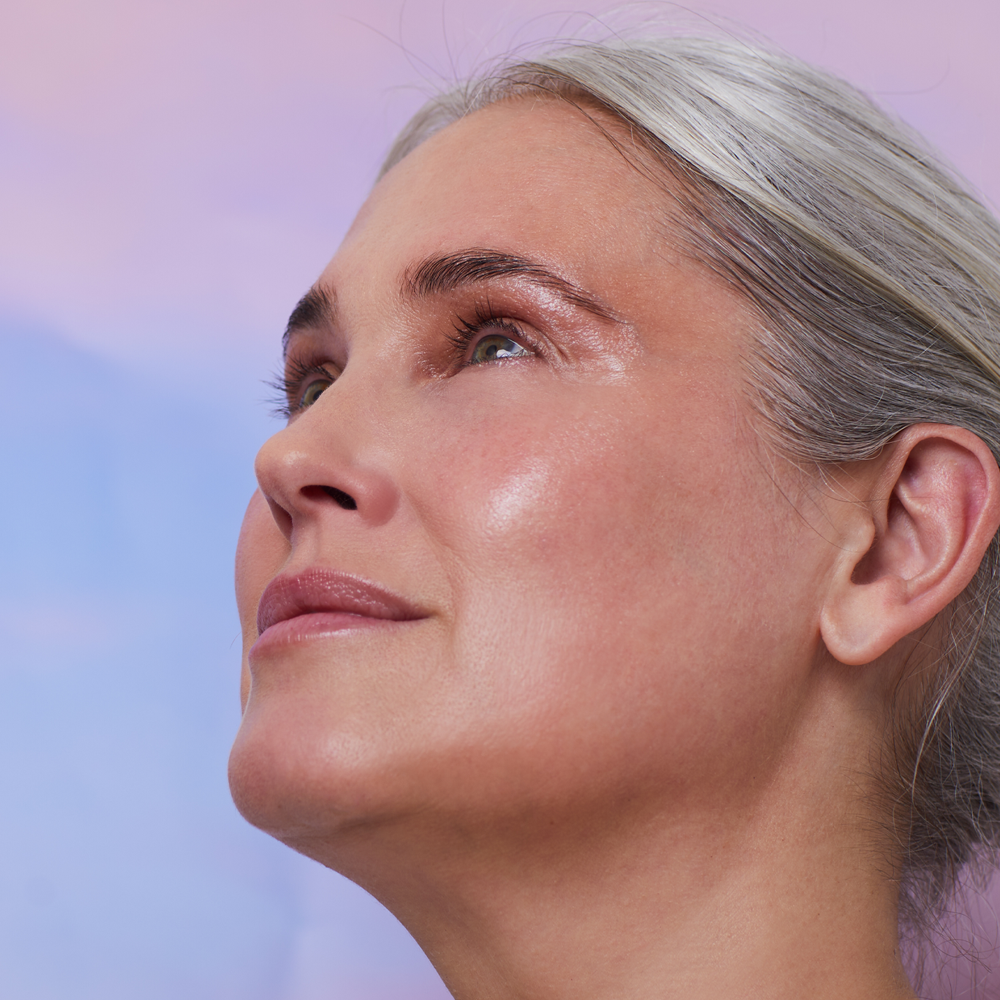
The “to grey or not to grey” conversation has evolved far beyond a beauty discussion. It now sits at the intersection of stress, ageing, wellness and identity.
Scientifically, grey hair occurs when melanocyte stem cells within the hair follicle lose their ability to produce pigment. Hair colour depends on melanin-producing melanocytes, and with age these cells gradually become depleted or dysfunctional.
Research from the National Institutes of Health has suggested that ageing melanocyte stem cells can become “stuck” within the follicle, limiting their ability to regenerate pigment-producing cells.
Oxidative stress appears to play a significant role in this process. Reactive oxygen species and reduced antioxidant defence within the follicle may contribute to melanocyte damage and stem cell depletion.
Chronic stress may accelerate this process through prolonged activation of the sympathetic nervous system and release of stress mediators such as norepinephrine.
A landmark Harvard-linked study demonstrated that acute stress depleted melanocyte stem cells in mice, supporting the long-held belief that stress may contribute to premature greying.
hair loss and stress
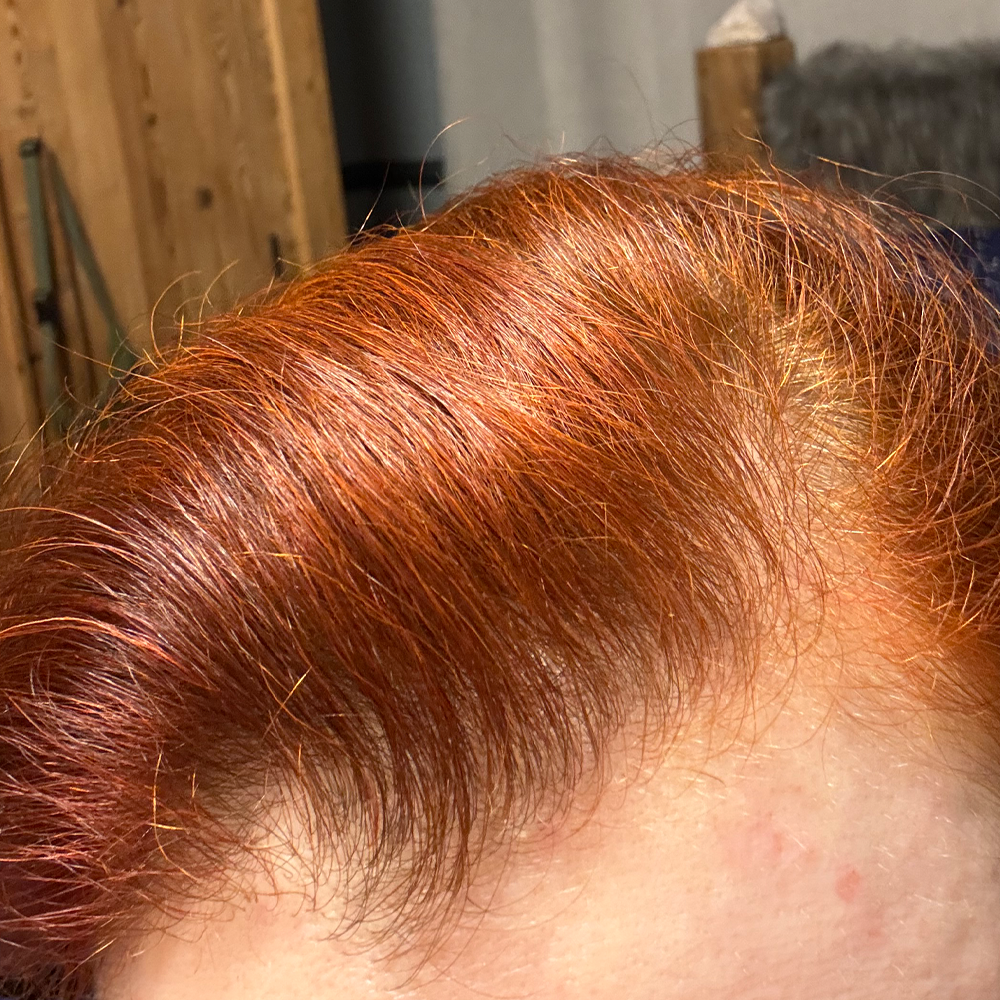
Hair loss in both women and men is increasingly being linked not only to genetics and hormonal changes, but also to chronic stress, cortisol dysregulation and nervous system overload.
One common stress-related condition is telogen effluvium, where psychological or physiological stress prematurely shifts hair follicles from the active growth phase into the resting phase, leading to diffuse shedding several months later.
Chronic activation of the hypothalamic-pituitary-adrenal (HPA) axis may contribute to inflammation, oxidative stress and disruption of normal follicle cycling.
In women, this often presents as diffuse thinning during periods of hormonal change, illness or burnout, while in men stress may worsen androgenetic alopecia in genetically predisposed individuals.
Increasingly, hair health is being viewed through a more holistic lens, recognising the importance of sleep, nutrition, hormonal balance and stress management alongside medical and aesthetic treatments.
Preventative aesthetic medicine is increasingly shifting away from purely corrective treatments and toward a more regenerative and longevity-focused approach.
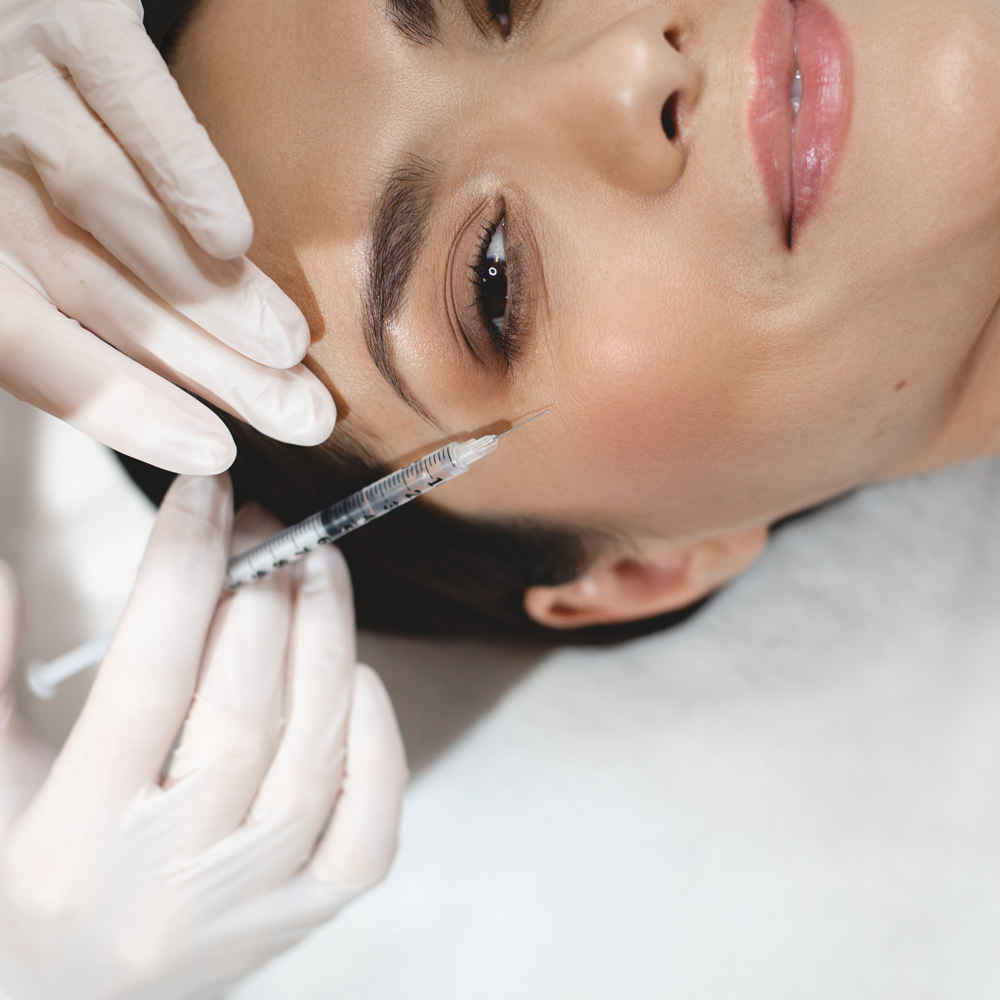
Anti-wrinkle injections, once primarily used to soften established lines, are now more commonly utilised earlier as a preventative strategy aimed at preserving skin quality and supporting collagen production.
At the same time, the worlds of wellness and aesthetic medicine are becoming far less separate than they once were.
There is growing recognition that visible ageing is influenced by far more than skincare or injectables alone. Chronic stress, poor sleep, posture, inflammation and lifestyle habits all contribute to changes in skin quality, muscular tension and overall appearance.
Treatments such as skin boosters, biostimulatory injectables, regenerative laser therapies and red light therapy are therefore increasingly discussed not simply from a cosmetic perspective, but through the lens of tissue repair, cellular health and prevention.
What once seemed like two completely separate worlds are now blending together to create a more integrated approach to ageing well.
menopause and the combined approach
Within menopausal women, aesthetics is increasingly moving toward a more supportive and holistic model rather than purely corrective treatment alone.
Declining oestrogen levels accelerate collagen loss, skin thinning and reduced elasticity, leading many women to adopt a hybrid approach to ageing well.
Subtle anti-wrinkle treatments may be combined with red light therapy, active skincare ingredients such as retinoids and antioxidants, alongside lifestyle strategies aimed at improving sleep, recovery and overall wellbeing.
Increasingly, aesthetic medicine is becoming part of broader conversations surrounding healthy ageing and longevity throughout the menopausal transition.
red light therapy and recovery
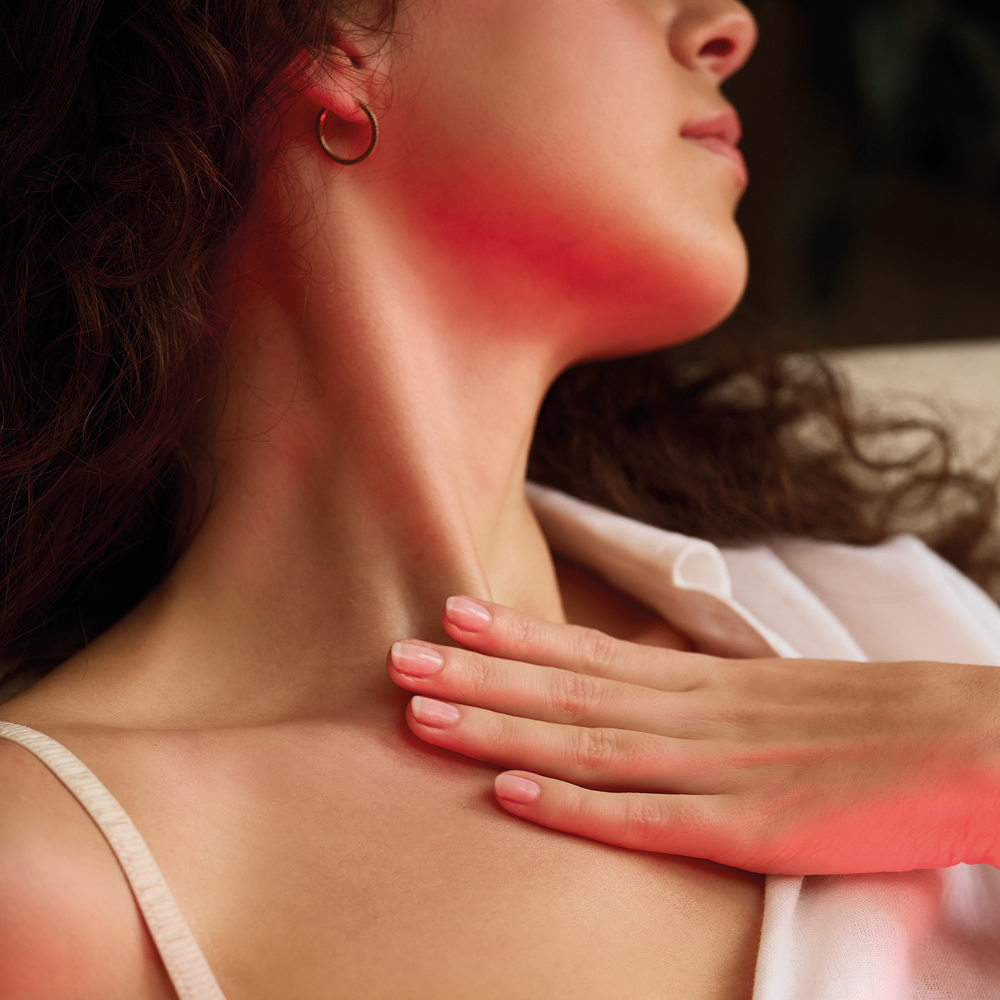
Red light therapy, also known as photobiomodulation, has origins in NASA-funded research exploring wound healing and cellular repair.
Scientists initially investigated red and near-infrared LED light to stimulate plant growth and support tissue recovery in astronauts exposed to microgravity.
The science behind red light therapy centres around mitochondrial stimulation, particularly through activation of cytochrome c oxidase. This may increase ATP production, reduce oxidative stress and support cellular repair pathways.
Research has linked photobiomodulation to collagen synthesis, inflammation modulation, circulation and wound healing. More recent research has explored its potential role in skin rejuvenation and muscle recovery.
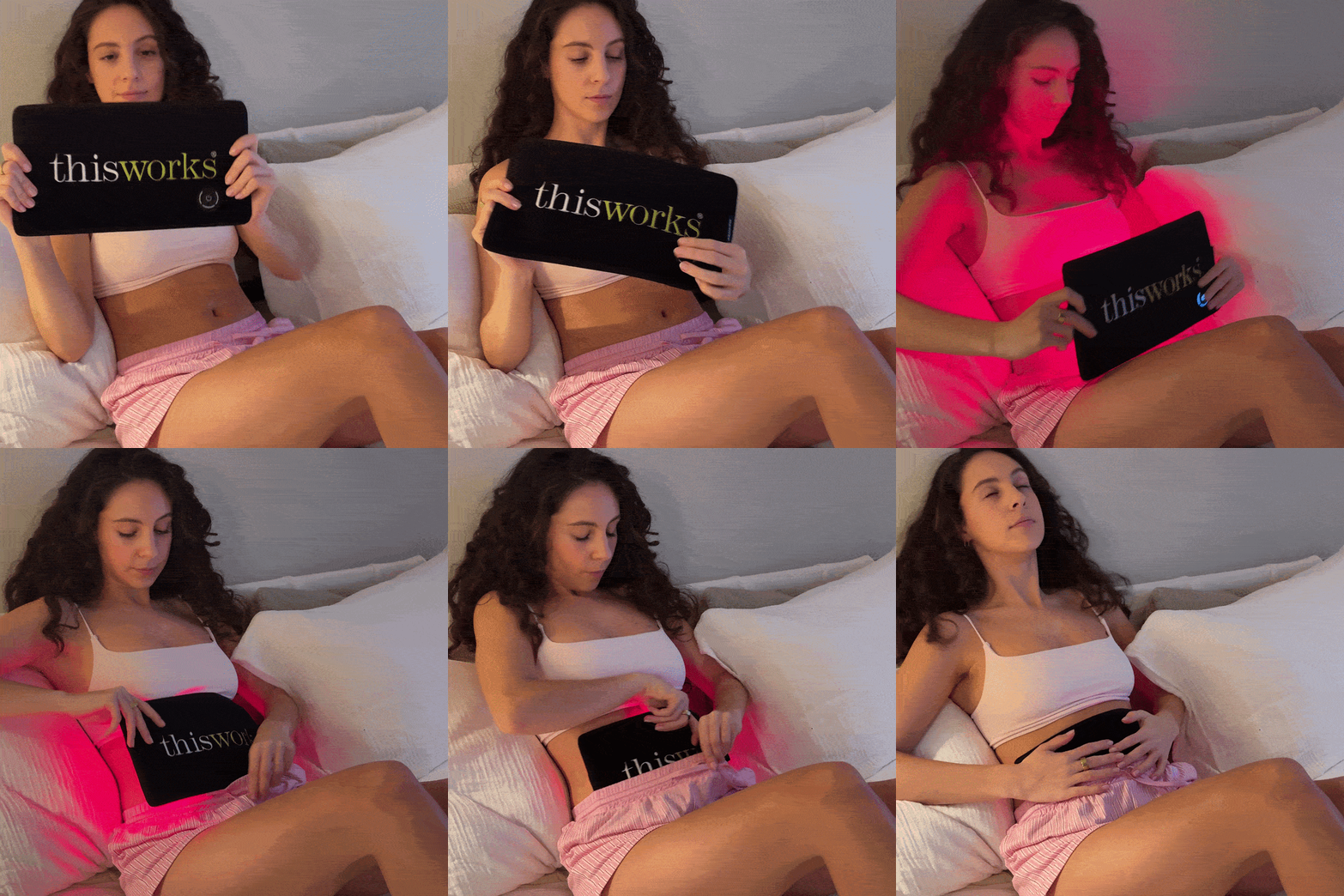
Specific wavelengths may produce different effects. Red light around 630–660nm is thought to support superficial skin rejuvenation and collagen stimulation, while near-infrared wavelengths around 810–850nm may penetrate deeper tissues and influence circulation, muscle recovery and inflammation.
A 2023 randomised controlled trial involving 137 women reported a reduction in periocular wrinkle volume following red and amber light photobiomodulation treatments.
This becomes particularly relevant within the context of stress and ageing, where chronic cortisol elevation and oxidative stress may impair collagen production, tissue recovery and skin barrier function.
Despite growing popularity, experts continue to emphasise that evidence varies depending on device quality, wavelength, dosage and treatment protocols. Many commercial claims still outpace the available long-term clinical evidence.
practical takeaways
From the perspective of upper body health and healthy ageing, maintaining strength, mobility and nervous system balance becomes increasingly important over time.
Practical strategies that may support upper body recovery, resilience and healthy ageing include:
- Prioritising resistance training to maintain muscle mass, posture and upper body support
- Incorporating mobility work for the chest, thoracic spine and neck
- Improving workstation ergonomics and reducing prolonged forward head posture
- Practising diaphragmatic and nasal breathing to reduce unnecessary neck and shoulder tension
- Supporting nervous system regulation through stress management, walking, mindfulness and adequate recovery
- Prioritising sleep quality to support tissue repair and hormonal balance
- Maintaining adequate hydration, protein intake and balanced nutrition
- Reducing repetitive jaw clenching through awareness, relaxation techniques and regular movement breaks
a final thought
Increasingly, healthy ageing is being viewed through a more integrated lens - recognising that posture, movement, recovery and nervous system health all influence not only how the body functions, but also how it physically ages and feels over time.
Ultimately, healthy ageing is no longer being viewed solely through the lens of skincare or cosmetic treatments, but through a far more integrated understanding of how the body functions as a whole.
Stress, posture, breathing, recovery, sleep and nervous system regulation all appear to influence not only how we feel internally, but also how we physically present externally.
As conversations surrounding wellness, longevity and aesthetics continue to evolve, there is growing recognition that looking well and ageing well are increasingly interconnected - with the future of healthy ageing lying not in perfection, but in supporting the body’s ability to recover, regulate and thrive over time.
 sleep hygienewhen the clocks go back: how to help your body clock adjustAs the clocks go back, discover how the seasonal shift affects your sleep and the small changes that can help you adjust, with expert advice from Professor Gaby Badre and Lisa Artis, Deputy CEO of The Sleep Charity.read post
 expertsgetting on your nerves? episode 5: the September switchIn episode 5 of getting on your nerves?, Dr Anna Persaud is joined by medical doctor Dr Lana Gault to explore the September switch – how the transition from summer into autumn affects our physical health, mental wellbeing, sleep and...read post
 expertsgetting on your nerves? bonus episode: getting out of your head, into your bodyIn this Wellness Weekender special of getting on your nerves?, Dr Anna Persaud is joined by wellness expert and integrative therapist Esther Triviño to explore somatic yoga, interoception, nervous system regulation and how movement, breath, sound and sensory cues can...read post
 expertsgetting on your nerves? episode 4: wherever I lay my hatWhy can some people sleep anywhere, while others struggle as soon as their surroundings change? Dr Anna Persaud and Professor Gaby Badre explore sleep adaptability, circadian rhythm, nervous system regulation and how to become a more resilient sleeper when conditions...read post
 expertsgetting on your nerves? episode 2: the upper body editIn episode 2 of getting on your nerves?, Dr Anna Persaud is joined by Dr Lana Gault and This Works ambassador Mithra Nandu to explore how stress and nervous system dysregulation show up in the upper body. From jaw tension,...read post
 expertsgetting on your nerves? episode 1: signs you are stressedIn episode 1 of getting on your nerves?, Dr Anna Persaud is joined by medical doctor Dr Lana Gault to explore how stress first shows up in the body and mind. From burnout, fatigue and disrupted sleep to fight or...read post
 expertsgetting on your nerves? episode 3: the power of nowIn episode 3 of getting on your nerves?, Dr Anna Persaud is joined by psychotherapist and trauma expert Lauren Baird to explore why being present can feel so difficult. From negativity bias, fight or flight and the window of tolerance...read post
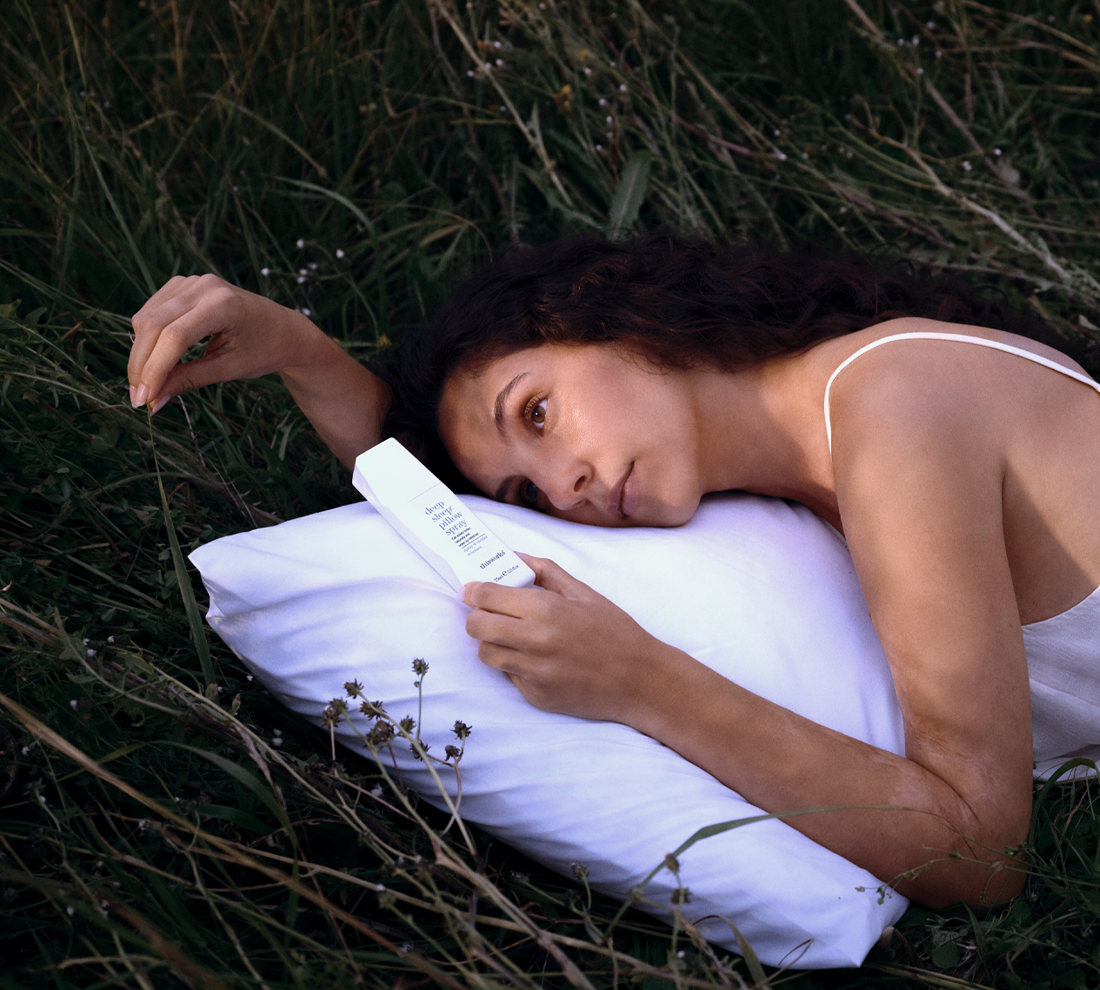 sleep hygienecan you train your brain for bedtime?Can a familiar scent become a signal that it is time to sleep? Professor Gaby Badre explores the connection between scent, the brain and nervous system — and how repeated sensory cues may help support the transition from daytime alertness...read post
