what is actually disrupting your sleep?
You go to bed at a reasonable hour. You feel tired. Yet somehow sleep still feels elusive. Discover the hidden factors that may be disrupting your rest, from nervous system overload to evening habits, and learn how small changes can support deeper, more restorative sleep.
you are tired, so why can't you sleep?
You climb into bed exhausted. Your body feels ready for sleep, yet your mind seems determined to keep going. Sound familiar?
Many people assume poor sleep is caused by not being tired enough, but in reality, the reasons behind disrupted sleep are often far more complex. Sleep is not simply something that happens the moment your head hits the pillow. It is the result of a series of biological processes, environmental cues and daily behaviours that work together to prepare the body and mind for rest.
As pioneers in sleep science since 2004, we have spent decades working with neuroscientists to understand how the nervous system influences sleep quality. Through independent clinical sleep trials, fMRI brain imaging studies and user testing involving more than 1,000 participants, we have learned that the factors affecting sleep often begin long before bedtime.
If you find yourself lying awake at night, one of these hidden sleep disruptors could be to blame.
your nervous system is still in daytime mode
One of the most overlooked causes of poor sleep is nervous system overstimulation.
Throughout the day, your sympathetic nervous system, often known as the "fight-or-flight" response, helps you stay alert, focused and productive. The challenge is that modern life rarely gives us the opportunity to fully switch it off.
Work emails, social media, news alerts, endless scrolling and packed schedules can leave the nervous system stuck in a heightened state of alertness long into the evening. Even when your body feels physically tired, your brain may still be receiving signals that it is time to stay awake.
This Works has long explored the relationship between scent, neuroscience and sleep. Our research has shown how specific fragrance blends can help support the transition from daytime alertness into evening calm, encouraging the body to prepare for rest rather than stimulation.
The goal is not sedation. It is regulation. Helping the body move naturally from activity into restoration.
your evening environment is sending the wrong signals
Your brain relies heavily on external cues to understand when it should be awake and when it should be asleep.
Light is one of the most powerful signals. Exposure to bright artificial lighting, televisions, tablets and smartphones late into the evening can interfere with your body's natural production of melatonin, often referred to as the "sleep hormone".
But it is not just light that matters.
Noise, clutter, uncomfortable room temperatures and overstimulating environments can all make it harder for the brain to recognise that bedtime has arrived.
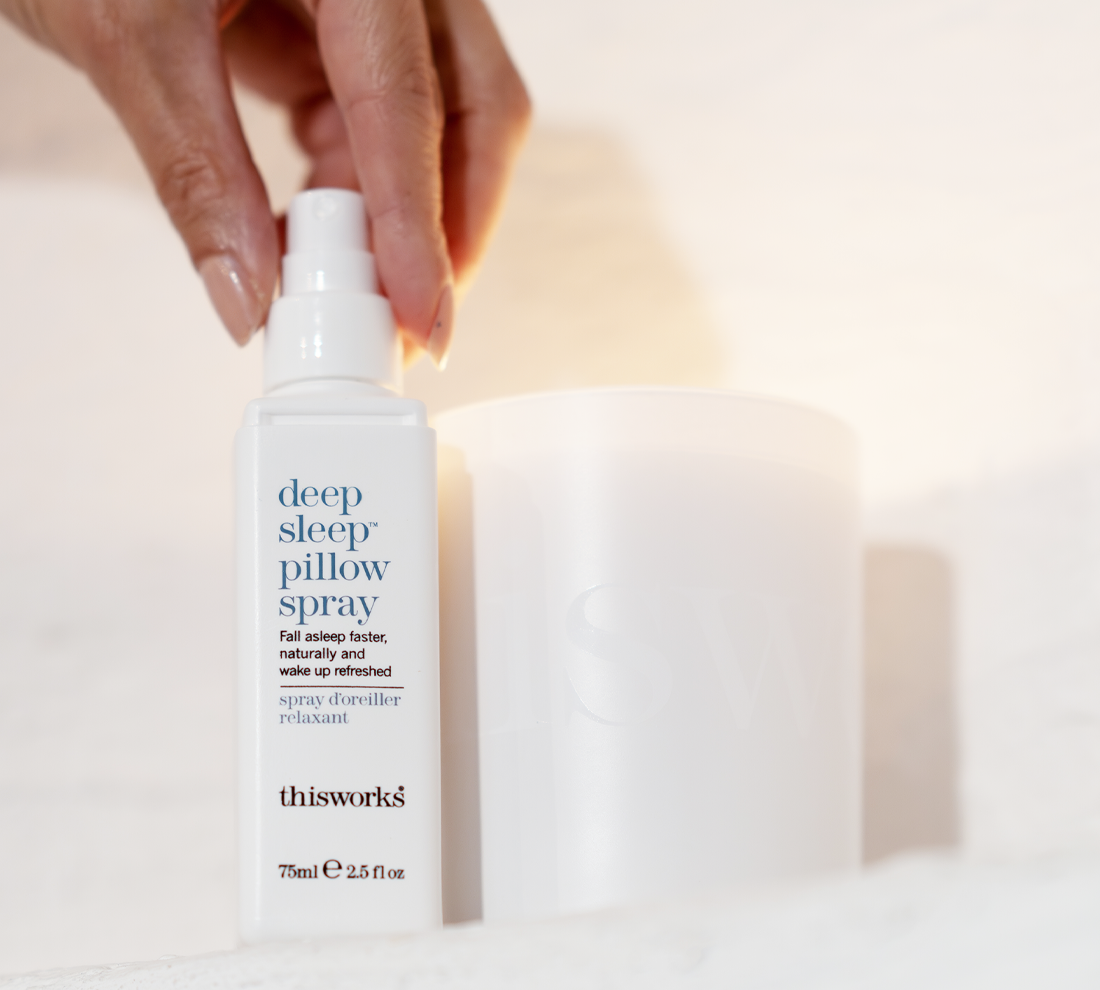
Creating a sleep-supportive environment does not need to be complicated. Small rituals can make a significant difference. Dimming the lights, reading a book, taking a warm bath or using a calming pillow spray can all help create consistency around bedtime.
For many people, scent becomes an important part of this process because it acts as a cue that sleep is approaching.
stress may be following you into bed
Have you ever noticed how often your biggest worries appear the moment your head touches the pillow?
When daily stress accumulates without opportunities for recovery, the brain can struggle to switch into a restorative state. Instead of winding down, it continues processing conversations, deadlines, responsibilities and tomorrow's to-do list.
This is where bedtime rituals become particularly valuable.
Simple sleep aids that encourage relaxation can help create a psychological boundary between the demands of the day and the restfulness of the night. A warm shower, mindful breathing exercises or the comforting scent of a lavender pillow spray can become signals that tell the brain it is safe to let go of the day.
Over time, these repeated rituals help reinforce healthy sleep behaviours.
your sleep routine is inconsistent
Your body thrives on rhythm.
The Circadian Rhythm (your internal 24-hour body clock) regulates sleep, alertness, hormone production and countless other biological processes. When your sleep schedule changes dramatically from day to day, it becomes harder for this internal clock to operate efficiently.
Late nights during the week, sleeping in at weekends and irregular bedtimes can all contribute to disrupted sleep patterns.
Consistency matters.
Going to bed and waking up at similar times each day helps reinforce your body's natural sleep-wake cycle and can make it easier to both fall asleep and wake feeling refreshed.
Many of the most effective sleep products work best when paired with a consistent evening routine. Ritual and repetition are often just as important as the products themselves.
are you giving yourself enough time to recover?
Sleep is when some of the body's most important restorative processes take place.
During sleep, the brain processes information, the nervous system recalibrates and the skin undergoes essential repair processes. This is why we often refer to sleep as the first step in any skincare routine.
When sleep quality suffers, overnight recovery may also be compromised. You may notice lower energy levels, increased irritability, difficulty concentrating and skin that appears more tired or less radiant.
This is one reason why many people are now looking beyond traditional sleeping spray solutions and focusing on creating complete evening rituals that support both wellbeing and recovery.
The best sleep routines work with the body rather than against it.
why scent remains one of the most powerful sleep aids
Of all the sensory signals associated with sleep, scent remains one of the most effective.
Unlike many other senses, smell has a direct connection to areas of the brain involved in emotion, memory and behaviour. This is why certain aromas can instantly evoke feelings of calm, comfort or familiarity.
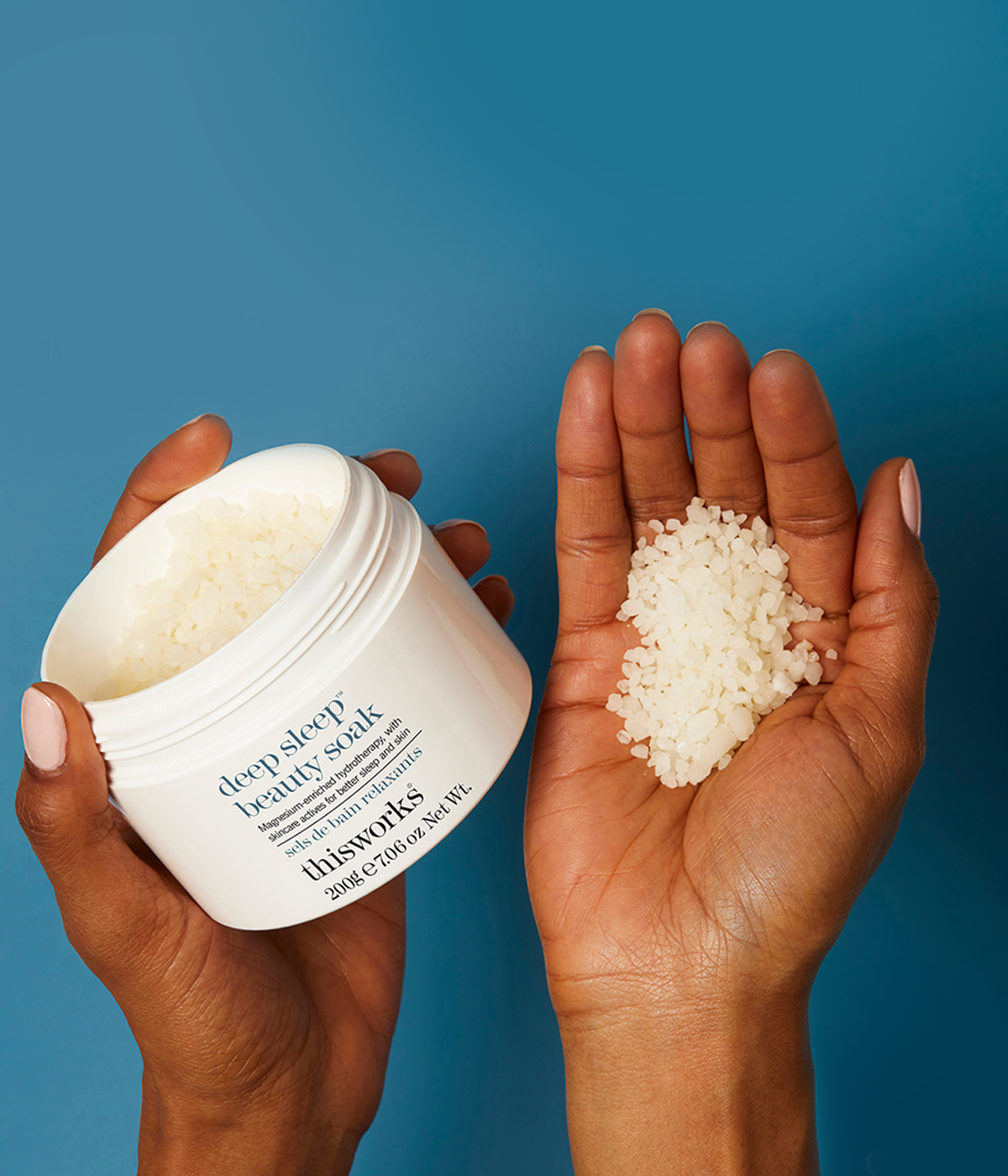
The Deep Sleep collection was developed around our award-winning Deep Sleep Functional Fragrance, a blend of Lavender, Camomile and Vetivert designed to support relaxation and improve sleep quality. Products such as deep sleep pillow spray have become trusted bedtime rituals for millions of people worldwide.
In a study of 100 subjects and 100 ex-prescription users, 89% fell asleep faster than usual, 98% felt more refreshed in the morning and 97% slept better after using products from the Deep Sleep collection.* Panel tested.
Whether you call it a sleep spray, sleeping spray, deep sleep spray or simply your favourite bedtime ritual, scent can become a powerful cue that helps prepare the mind and body for rest.
building a better bedtime ritual
The truth is that sleep disruption is rarely caused by a single factor.
More often, it is the result of accumulated stress, overstimulation, inconsistent routines and environments that no longer support rest.
The good news is that small changes can have a meaningful impact.
Try creating a simple wind-down ritual:
- Dim lights at least an hour before bed.
- Put screens away where possible.
- Keep your bedroom cool and comfortable.
- Practise slow breathing or relaxation techniques.
- Use a calming lavender pillow spray as part of your nightly routine.
- Aim for a consistent bedtime and wake-up time.
Sleep is not something you can force. It is something you prepare for.
The more consistently you support your body's natural rhythms, the easier it becomes to leave the day behind, settle your nervous system and experience the restorative rest your body has been seeking.
references
*Deep Sleep collection panel-tested results: 89% fell asleep faster than usual, 98% felt more refreshed in the morning and 97% slept better. In a study of 100 subjects and 100 ex-prescription users.
sleep hygiene: related posts
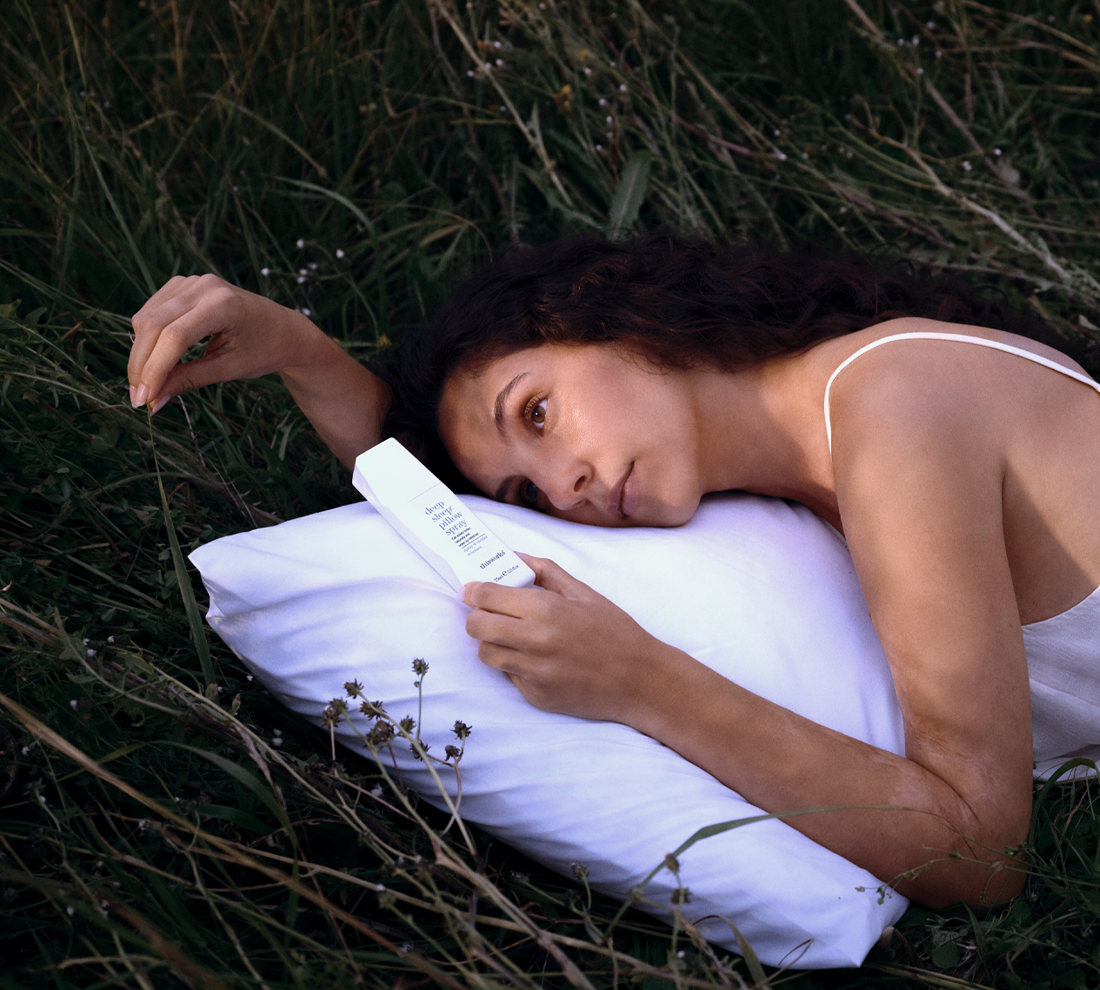 sleep hygienecan you train your brain for bedtime?Can a familiar scent become a signal that it is time to sleep? Professor Gaby Badre explores the connection between scent, the brain and nervous system — and how repeated sensory cues may help support the transition from daytime alertness...read post
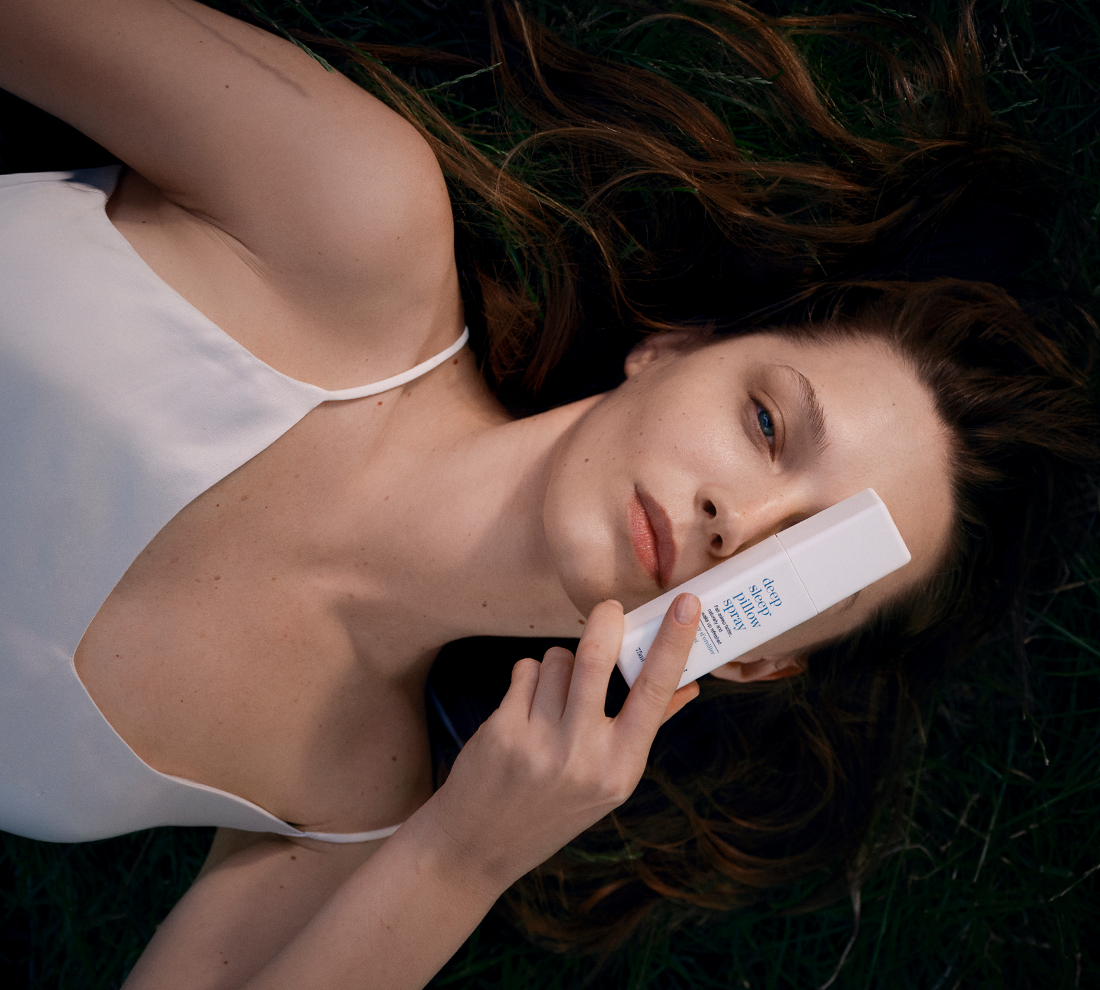 sleep hygienewhen the brain won’t switch off: understanding chronic insomniaWhy can sleep remain difficult long after the original trigger has passed? Professor Gaby Badre explores the science of chronic insomnia, the hyperarousal that can keep the brain alert at night, and how the brain can be retrained for sleep.read post
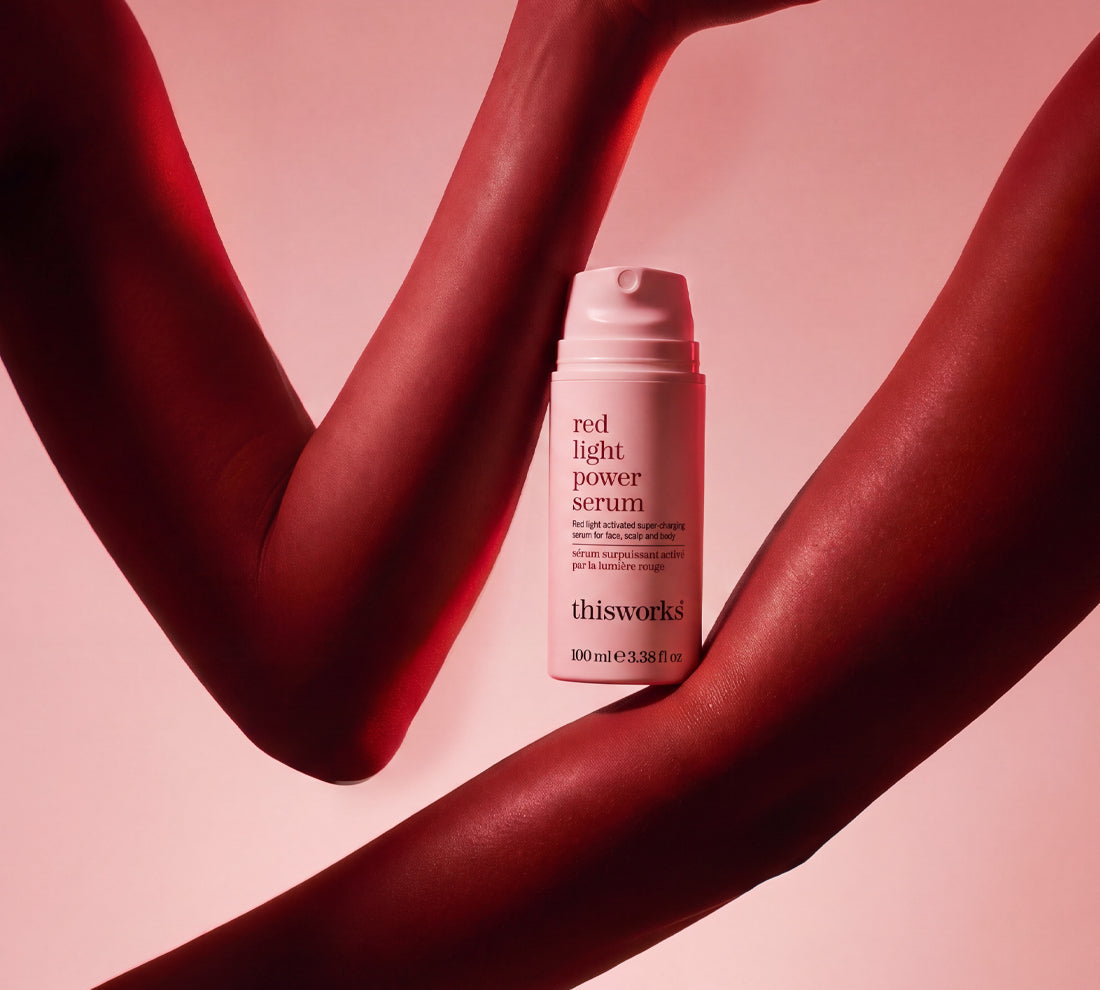 red lightRed Magazine features Dr Anna Persaud’s story: can we use our senses to make us feel safe?In Red, Dr Anna Persaud shares her personal experience of anxiety and how neuroscience, therapy and sensory rituals helped her understand her nervous system – and find new ways to switch off.read post
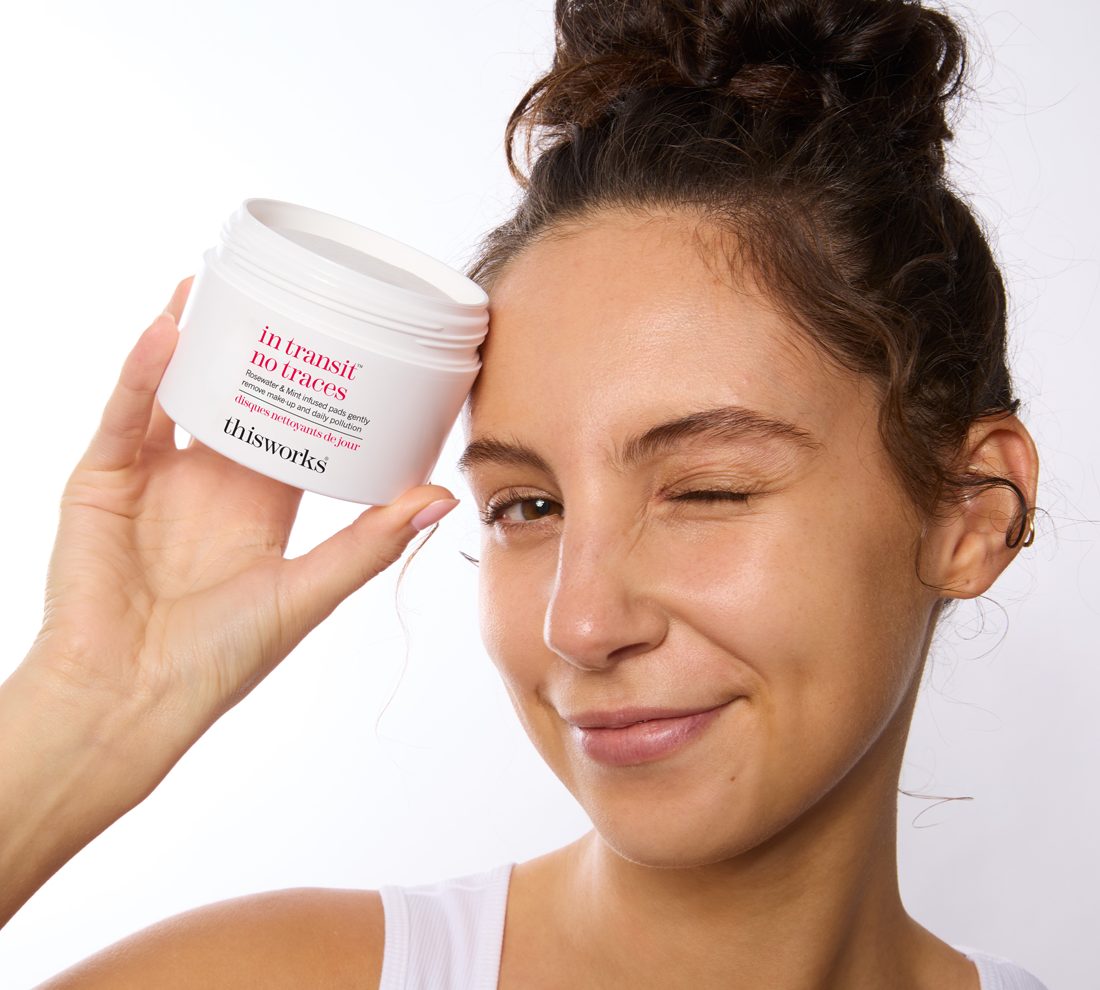 skincare concernsin transit no traces featured in British Vogue: the cleansing essential for hard waterOur in transit no traces cleansing pads have been featured in British Vogue as a Vogue-approved skincare solution for hard water, helping remove lingering residue without the need to rinse.read post
 fragranceOwn Time Eau de Parfum featured in Refinery29: the connection between scent and wellbeingOwn Time Eau de Parfum features in a personal Refinery29 exploration of fragrance, self-care and endometriosis, with our CEO Dr Anna Persaud sharing the science behind scent, memory and emotion.read post
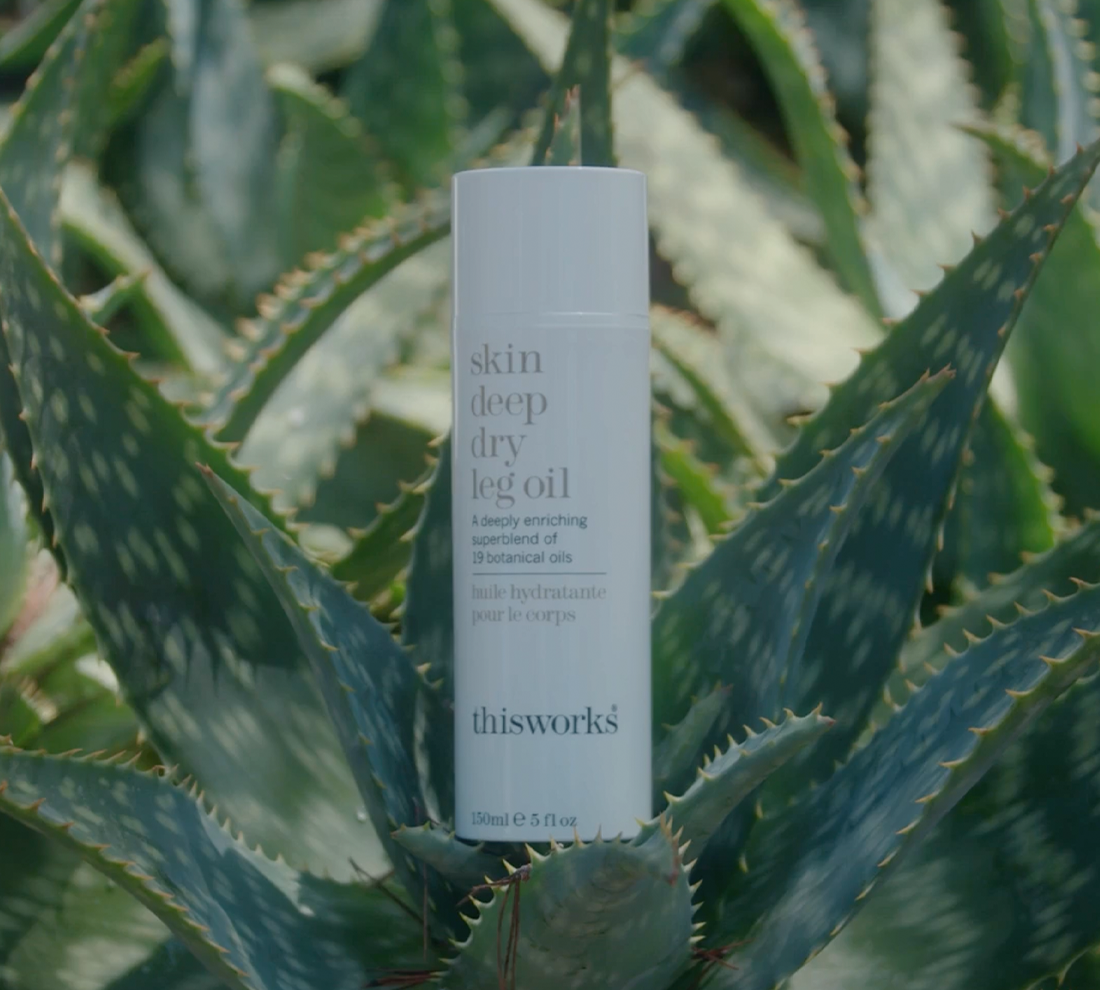 bodycare concernssummer skin recoverySummer may leave skin dry, dull and depleted, but recovery is about more than restoring your glow. Discover how intelligent skincare, technology and the power of touch can help replenish post-summer skin while reconnecting you with the body you live...read post
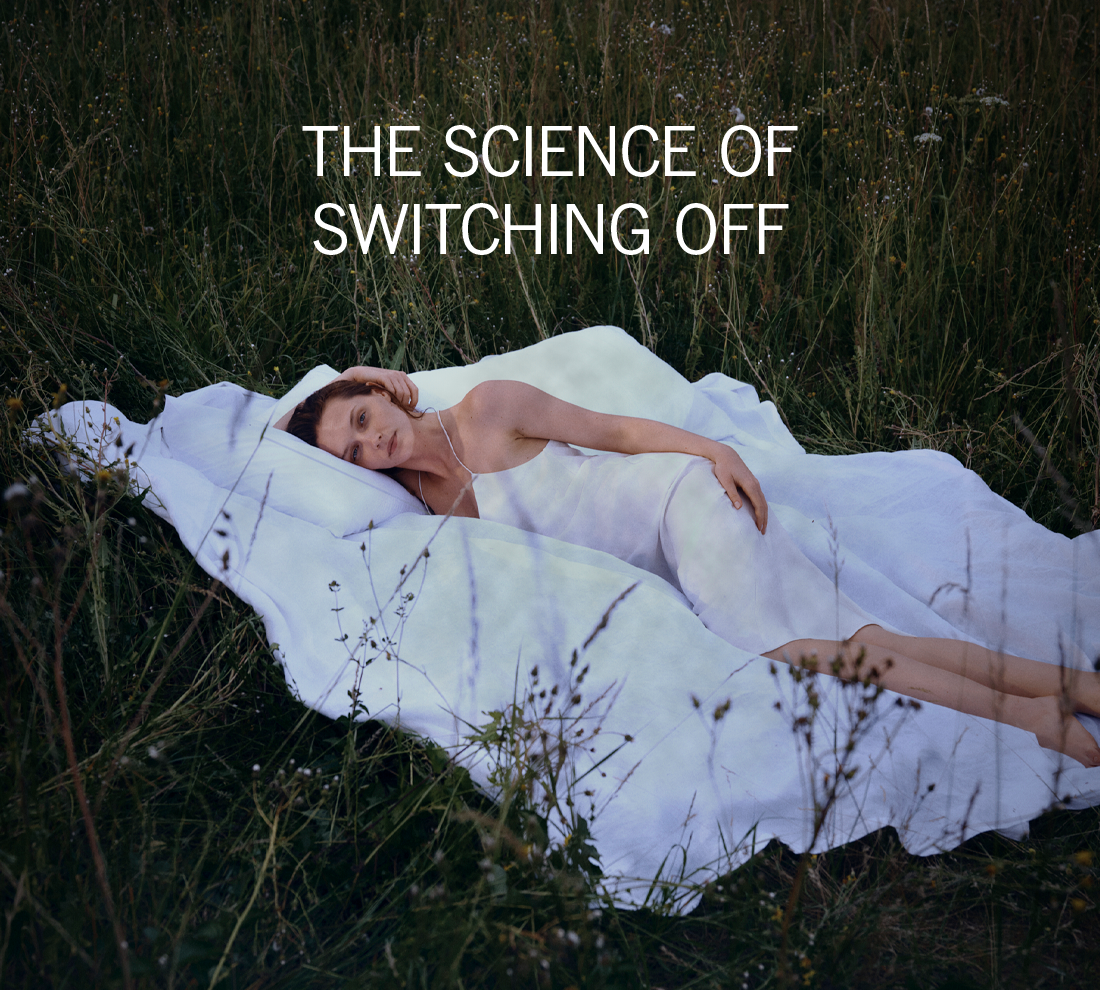 sleep hygienethe science of switching offYou don’t just have a sleep problem, you have a switching off problem. Sensory care rituals and neuroscience-informed products designed to support the transition into sleep and recovery.read post
 sleep hygienethe science of switching off – a Doctor’s perspectiveDr Lana Gault explores the science behind switching off, from nervous system regulation and circadian rhythms to the simple, repeatable cues that can help prepare the body and brain for sleep.read post

